
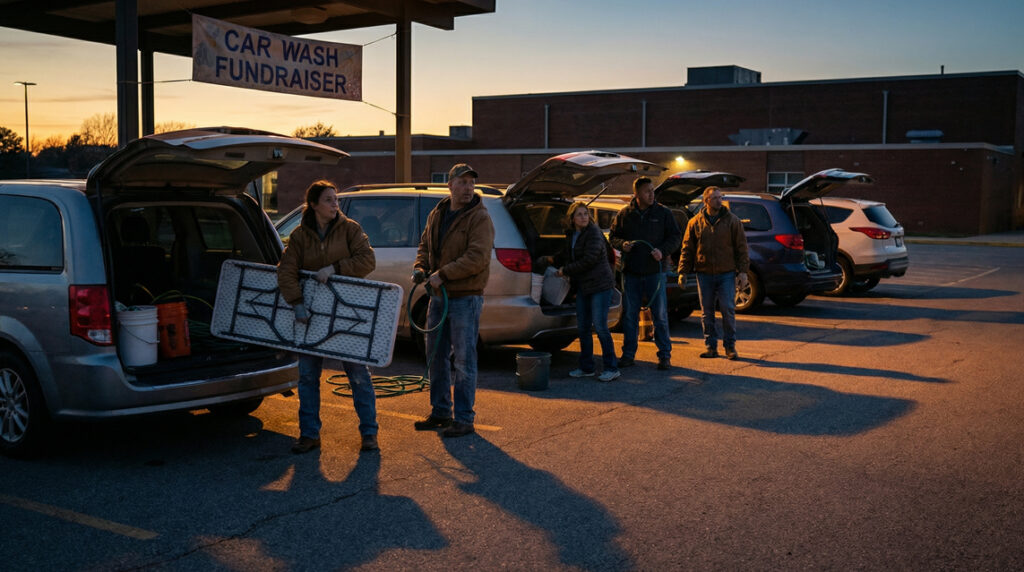

There is a quiet truth many school communities are only just acknowledging: raising money isn’t free. Every bake sale, catalog sale, car wash, or product drive carries school fundraiser hidden costs—costs of time, emotional labor, volunteer wear-out, and community fatigue.
Even when the check clears, something else may have been spent instead: trust, participation, and energy.
Time Is the Biggest of the School Fundraiser Hidden Costs
According to one industry analysis, DIY fundraisers often appear low cost—but when you add up the hours spent planning, promoting, collecting, and following up, the “profit” per hour can sometimes fall below minimum wage.
In a school context, that means teacher time gets pulled away from lesson planning. Volunteers stop showing up. Parents sigh as they juggle day jobs, kids, and yet another packet. As behavioral scientist Beverly Schwartz notes, when a “giving experience” becomes too heavy, the giving community begins to back away.
Emotional Labor and Volunteer Burnout
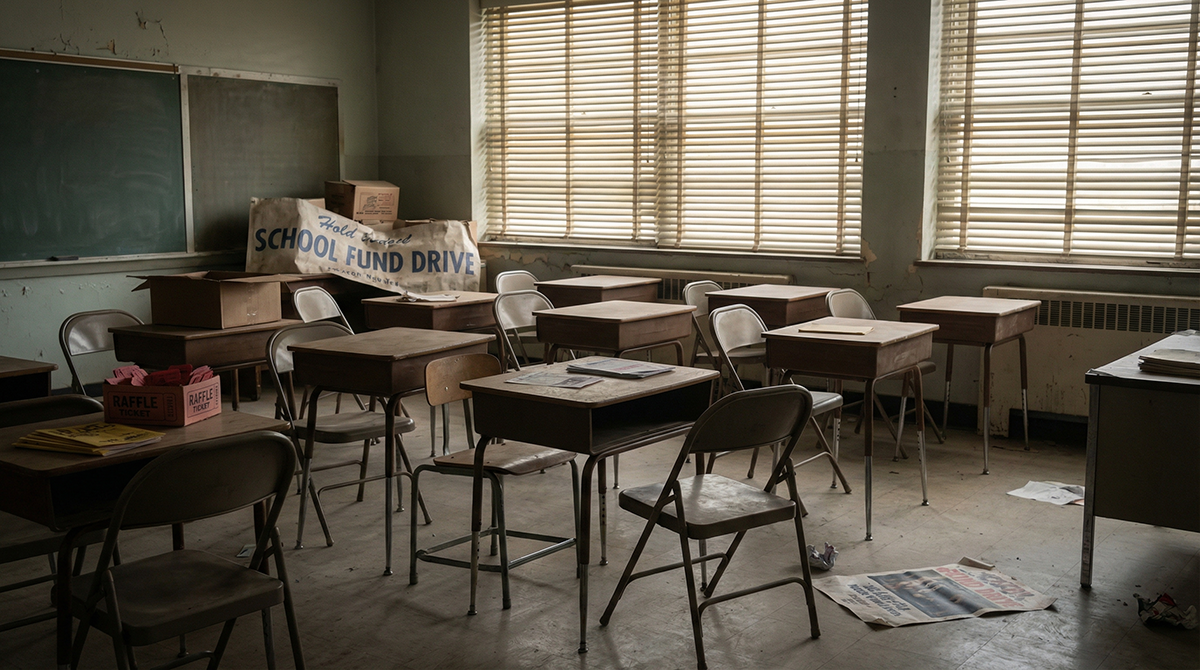
In many schools, the same small group of volunteers runs all fundraisers year after year. The repetition breeds fatigue and declines in energy. One blog calls this dynamic the “fundraising trap“—schools work harder but raise less.
This matters. When volunteers burn out, it isn’t just one year’s drive that suffers—it shapes future cultures of giving. These school fundraiser hidden costs erode the very community spirit schools try to build.
Financial Transparency and Trust Are Eroding
Another layer is the breakdown of clarity. Many traditional models leave families wondering: “What did we actually raise?” or “What did my contribution do?”
When questions multiply, trust decreases. Donors want to feel part of something, not weighed down by complexity or unclear outcomes. This is why transparency is key to avoiding school fundraiser hidden costs.
Why Today’s Schools Are Choosing Something Better
Schools looking ahead are rejecting fundraising that drains people. They are seeking models built on simplicity, impact, and community.
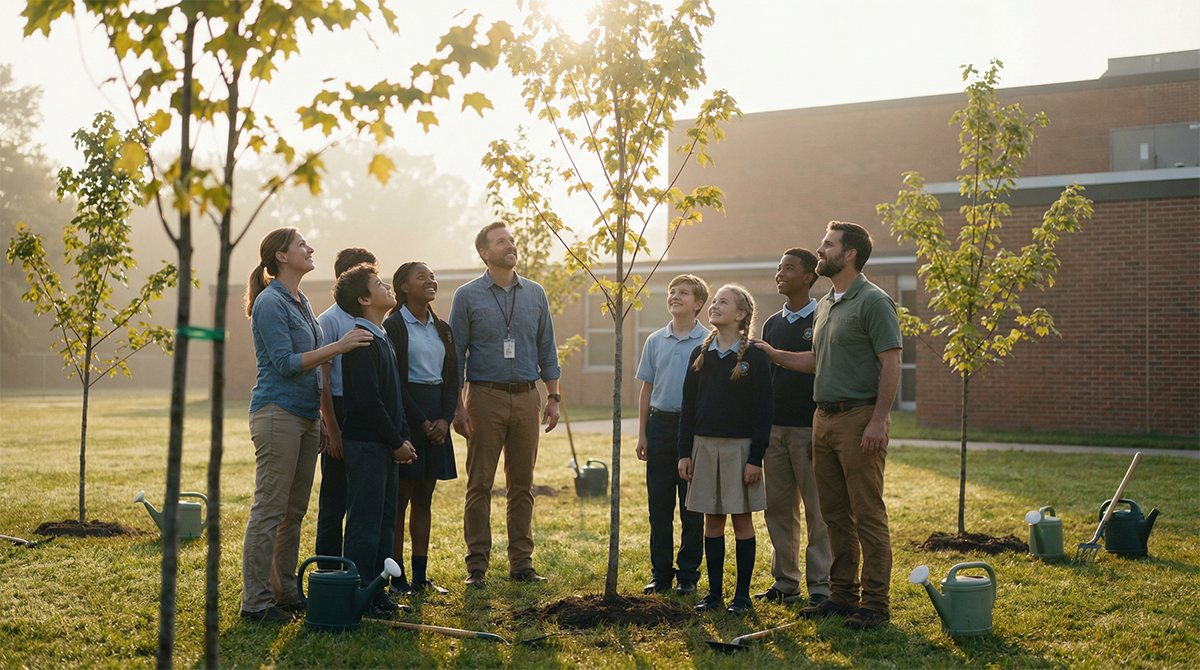
Enter TreeRaise: a model where you share a link, supporters plant real trees, and the school raises funds. Families do not feel the pressure of product sales or hidden labor. It aligns with what teachers, parents, and students actually want: volunteering that energizes, fundraising that feels meaningful, and giving that builds culture instead of draining it.
From Cost to Contribution
When you shift from asking families to sell to inviting them to support, everything changes. Students feel proud. Volunteers feel valued. Schools get the funds they need.
That transformation is exactly what the modern school community demands—and what TreeRaise provides.
© 2026 TreeRaise. All Rights Reserved.