

The Afternoon It All Fell Apart
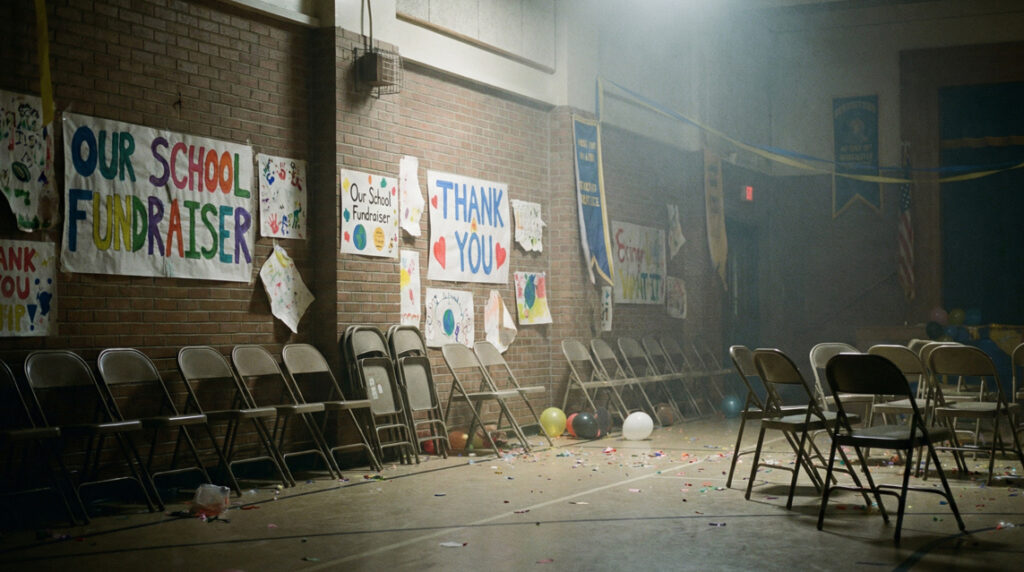
It was a humid Friday afternoon in late September when the community gym opened its doors for the annual fundraiser kickoff. Folding tables lined the walls. Posters decorated with cartoon mascots hung slightly crooked. The PA system buzzed with that familiar hollow static.
But something felt different. Parents came in slower. Teachers looked worn. Students were excited, but not with the same spark. One teacher whispered to another, “This is our third one this year.”
It was not cynicism. It was exhaustion. This is the first sign of school fundraiser burnout. It has a way of spreading through a community the same way humidity clings to a gym floor. It starts slow and unnoticed, but it becomes impossible to ignore once it settles in.
The Culture Shift Behind School Fundraiser Burnout
School fundraisers used to feel like events. Now they feel like obligations.
According to a recent study on national fundraising trends, more than half of families report feeling “tired or overwhelmed” by traditional fundraising cycles. You can read the school fundraising trends study here.
But behind the statistics is something deeper. There is a slow erosion of energy, goodwill, and connection. Nonprofit expert Julia Campbell calls this the “emotion gap” where a community’s capacity to give is not the same as its capacity to feel good about giving.
When the emotion gap widens, participation declines. When participation declines, fundraisers multiply. And when fundraisers multiply, school fundraiser burnout spreads.
Students Feel the Fatigue First
We often forget that students internalize the culture around them. They watch their parents sigh. They watch their teachers juggle forms. They watch volunteers scramble to cover holes.
One student in a middle school leadership club said, “Every time we fundraise, people look tired. Why does helping feel like stress?”
That is the moment a fundraiser stops being a celebration of community and becomes an emotional withdrawal from it.
A Different Kind of Story
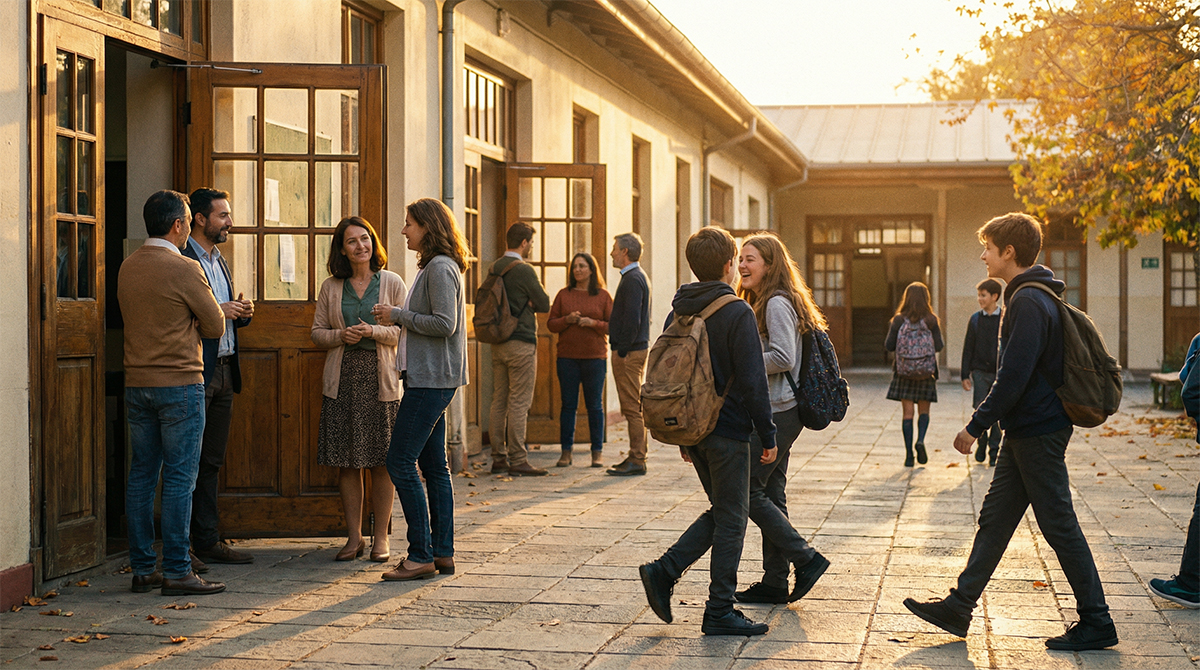
Now imagine a different scene to combat school fundraiser burnout. Imagine the same school courtyard at sunset. Students walk home with backpacks bouncing. Teachers close classroom doors with a small, relieved smile. Parents chat at car pickup without the weight of sales, deadlines, or transactions between them.
This is the environment TreeRaise creates. Not a fundraiser that forces community involvement, but one that respects it.
Instead of selling something no one needs, supporters plant verified trees. Instead of managing paperwork, families share a simple link. Instead of guilt, donors see real impact through the Impact Dashboard. It changes the way a campus feels. And feeling is everything.
When Meaning Replaces Pressure
Behavioral science tells us that people respond positively to actions that align with identity. Helping the planet. Helping students. Helping without friction.
TreeRaise brings these elements together so the community does not feel squeezed or taxed. It feels lifted. It feels aligned. It feels like a school again instead of a sales floor.
The Community Comes Back to Life
When fundraisers become meaningful instead of draining, the community’s spirit returns. Volunteers show up because they want to. Parents participate because the ask feels right.
This is how we end school fundraiser burnout. Not with another obligation, but with a spark that reconnects a school to the people who love it.